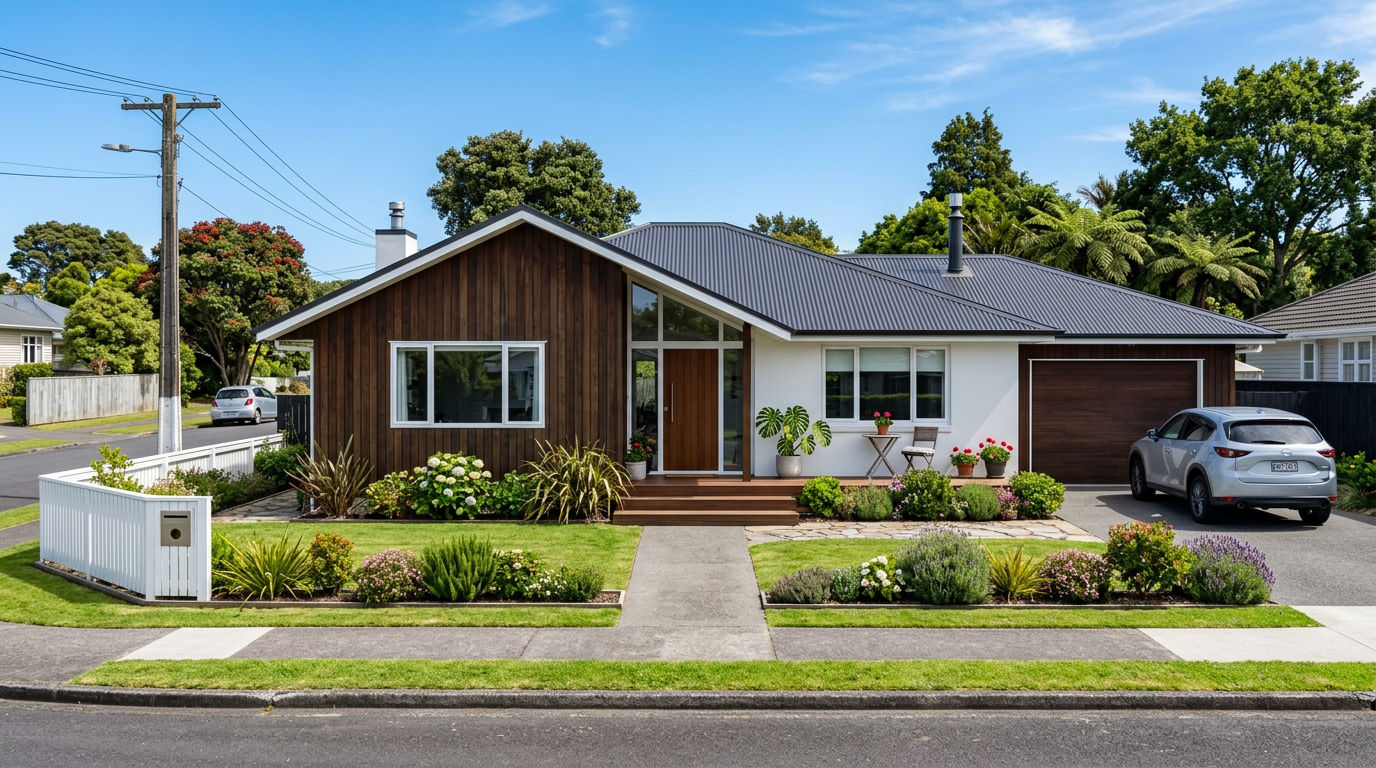
Yes, as a homeowner you can carry out a basic visual inspection of your roof for weathertightness issues — and doing so regularly is a smart way to catch small problems before they become expensive repairs. However, there are real safety risks involved in getting onto a roof, and some issues require a trained eye to diagnose properly. Here's how to do it safely and what to look for.
Safety First — Before You Go Near the Roof
Working at height is one of the leading causes of serious injury in New Zealand. Even a single-storey fall can be fatal. Before you start:
- Never go on the roof in wet, frosty, or windy conditions — surfaces become dangerously slippery.
- Use a sturdy ladder rated for your weight, secured at the base and tied off at the top if possible.
- Wear non-slip footwear and avoid walking on fragile materials like old corrugated iron, skylights, or brittle tiles.
- Consider doing as much of your inspection as possible from the ground or ladder using binoculars.
- If in doubt, stay off the roof entirely and hire a professional.
WorkSafe NZ has detailed guidance on working safely at height for homeowners.
What to Look For: A Ground-Level Check First
Start from the ground with a good pair of binoculars and walk the full perimeter of your home. You're looking for:
- Missing, cracked, or lifted roofing material — iron sheets, tiles, or membrane sections that have shifted
- Rust or corrosion on metal roofing, flashings, or gutters
- Sagging or uneven roof lines — can indicate structural issues or water damage to the substrate
- Blocked or overflowing gutters and downpipes — a common cause of water ingress at the eaves
- Moss, lichen, or algae growth — holds moisture against the surface and accelerates deterioration
- Damaged or missing ridge capping — a very common entry point for water
Inspecting Flashings — A Critical Weathertightness Point
Flashings are the metal strips (usually aluminium or galvanised steel) that seal the joins between your roof and walls, chimneys, skylights, and penetrations. They are one of the most common sources of leaks in NZ homes.
Look for:
- Flashings that have lifted, cracked, or separated from the surface
- Failed sealant — dried out, cracked, or missing entirely
- Rust staining running down walls from flashing joints
- Poor laps or joins where water could track back underneath
The NZ Building Code clause E2 (External Moisture) sets out requirements for how roofs and flashings must be designed and built to keep water out. MBIE Building Performance has useful guidance on E2 compliance and weathertightness.
Inside the House — Check the Ceiling and Roof Space
Some of the clearest signs of a weathertightness problem show up inside:
- Water stains or discolouration on ceilings and walls
- Mould or mildew — particularly in corners or around light fittings
- Musty smells in the ceiling space
- If you have roof space access, inspect the underside of the roof cladding and the top of the ceiling with a torch — look for daylight, staining, wet insulation, or timber rot
BRANZ is New Zealand's leading building research authority and has excellent resources on diagnosing moisture problems in homes.
Common NZ Roof Types and Their Weak Spots
| Roof Type | Common Weathertightness Issues |
|---|---|
| Corrugated steel (Colorsteel) | Rust at cut edges, failed laps, loose screws |
| Concrete or clay tiles | Cracked/slipped tiles, failed mortar at ridge |
| Membrane (flat roofs) | Ponding water, splits, failed upstands |
| Butynol/rubber membrane | UV degradation, lifted edges at flashings |
| Asphalt shingles | Granule loss, curling, missing shingles |
Limitations of a DIY Inspection
A homeowner inspection is a useful first step, but it has real limits. You may not be able to:
- Identify underlying structural damage or rot hidden beneath cladding
- Detect slow leaks that only show up under sustained rain
- Assess compliance with NZS 3604 (Timber-framed buildings) or the NZ Building Code
- Spot installation defects that require trade knowledge to recognise
If you're buying or selling a home, or suspect significant damage, a licensed building inspector will provide a written report and carry professional indemnity insurance. You can find qualified local inspectors on tradedirectory.co.nz.
When to Call a Professional
Call a licensed building inspector or qualified roofer if you notice any of the following:
- Active leaks or water staining inside the home
- Sagging roof structure or visible timber rot
- Multiple failed flashings or widespread sealant failure
- You're buying or selling a property
- The roof is over 15–20 years old and hasn't been professionally assessed
- You're uncomfortable working at height — never take risks with your safety
For repairs involving structural work, check with your local council whether a building consent is required. Many like-for-like roof repairs fall under Schedule 1 exemptions, but always confirm — requirements vary. See MBIE Building Performance for guidance on consents.
If your rental property is involved, note that Tenancy Services Healthy Homes standards require rental homes to be free from leaks and moisture ingress.