Swapping out a tired-looking power point or a flickering light switch seems like a simple job — but in New Zealand, the law around electrical work is strict, and getting it wrong can be dangerous or even illegal. Before you reach for a screwdriver, it's worth understanding exactly where the line sits between what you're allowed to do yourself and what must be handled by a licensed professional.
What the Law Says About Electrical Work in NZ
In New Zealand, electrical work is heavily regulated under the Electricity Act 1992 and associated regulations. The Electrical Workers Registration Board (EWRB) oversees who is legally permitted to carry out electrical work. The short answer for most homeowners: replacing a power point or light switch is restricted work, and doing it yourself without a licence is illegal.
This isn't just red tape. Faulty wiring is one of the leading causes of house fires in New Zealand, and incorrect connections can cause electrocution. The rules exist to protect you, your family, and your home.
What Is "Restricted Electrical Work"?
Restricted electrical work (REW) covers any work on fixed electrical installations — that is, wiring and fittings that are permanently connected to your home's electrical system. This includes:
- Replacing or installing power points (GPOs)
- Replacing or installing light switches
- Adding new circuits or outlets
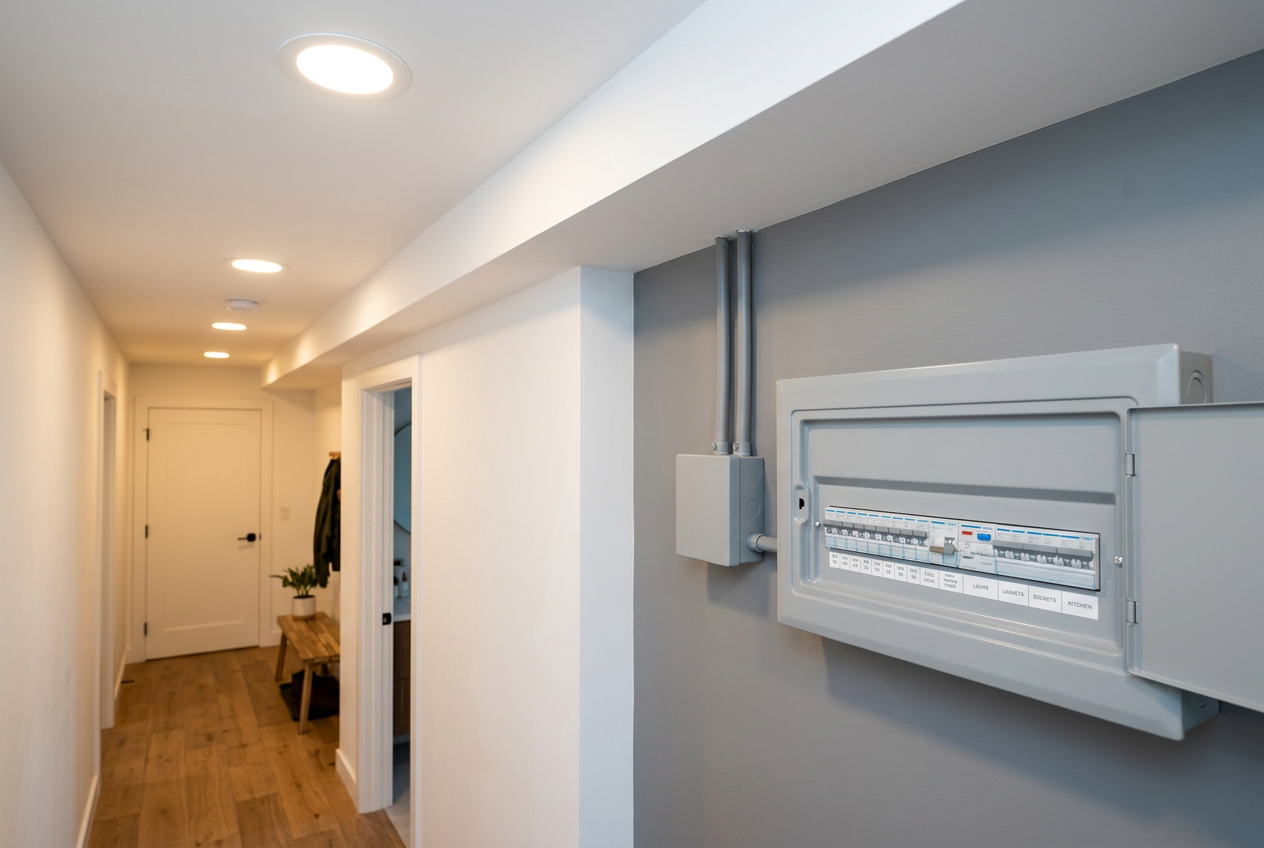
- Any work inside your switchboard or consumer unit
- Installing hardwired appliances (ovens, extractor fans, etc.)
All of this must be carried out by a registered electrician or a person who holds the appropriate electrical licence. Once the work is complete, the electrician must issue you a Certificate of Compliance (CoC) — keep this document safe, as you may need it when selling your home or making an insurance claim.
What Can a Homeowner Legally Do?
While you can't replace the power point or switch itself, there are a few things you can legally do:
- Replace a light bulb (including LED retrofits in existing fittings)
- Reset a tripped circuit breaker or replace a fuse in a rewireable fuse holder (with care)
- Plug in and unplug appliances and extension leads
- Install a doorbell that operates on extra-low voltage (typically below 50 V AC)
- Replace a smoke alarm that plugs into a standard socket
If you're unsure whether a task counts as restricted work, the EWRB website has clear guidance, or you can contact a local electrician for advice.
Why You Shouldn't DIY a Power Point or Switch
Even if replacing a power point looks straightforward on a YouTube video, there are real risks:
- Shock and electrocution risk — household wiring runs at 230 V in NZ, which is potentially fatal
- Fire risk — loose connections cause arcing and overheating inside walls
- Insurance issues — unlicensed electrical work can void your home insurance policy
- Resale problems — buyers and their lawyers increasingly ask for CoCs; undocumented work can delay or derail a sale
- Building Code non-compliance — the NZ Building Code requires electrical installations to meet NZS 3000 (the wiring standard)
What Does It Cost to Hire an Electrician?
As a rough guide, a straightforward power point or light switch replacement is typically a quick job for a qualified electrician — often completed within an hour. Most electricians charge a call-out or minimum service fee plus an hourly rate. Rates vary by region, with Auckland and Wellington generally higher than provincial areas. Getting two or three quotes is always a good idea.
To find a qualified local electrician, search tradedirectory.co.nz — all listed tradespeople are vetted professionals.
Healthy Homes & Rental Properties
If you're a landlord, it's worth noting that Tenancy Services Healthy Homes standards require rental properties to have safe and functional electrical systems. Any electrical upgrades or repairs in a rental must be carried out by a licensed electrician and documented with a CoC.
Comparison: DIY vs Licensed Electrician
| Factor | DIY (Illegal for REW) | Licensed Electrician |
|---|---|---|
| Legal? | No — restricted work | Yes |
| Certificate of Compliance issued? | No | Yes |
| Insurance valid? | Likely voided | Yes |
| Safety assured? | No | Yes |
| Resale documentation? | Missing | Provided |
When to Call a Professional
Call a registered electrician any time you need to:
- Replace, relocate, or add a power point or light switch
- Install additional circuits or upgrade your switchboard
- Wire in a new appliance (oven, heat pump, EV charger)
- Investigate flickering lights, tripping breakers, or burning smells
- Carry out any electrical work before or after a renovation
Always verify your electrician is registered by checking the EWRB register online. A legitimate electrician will always provide a Certificate of Compliance on completion of restricted work.