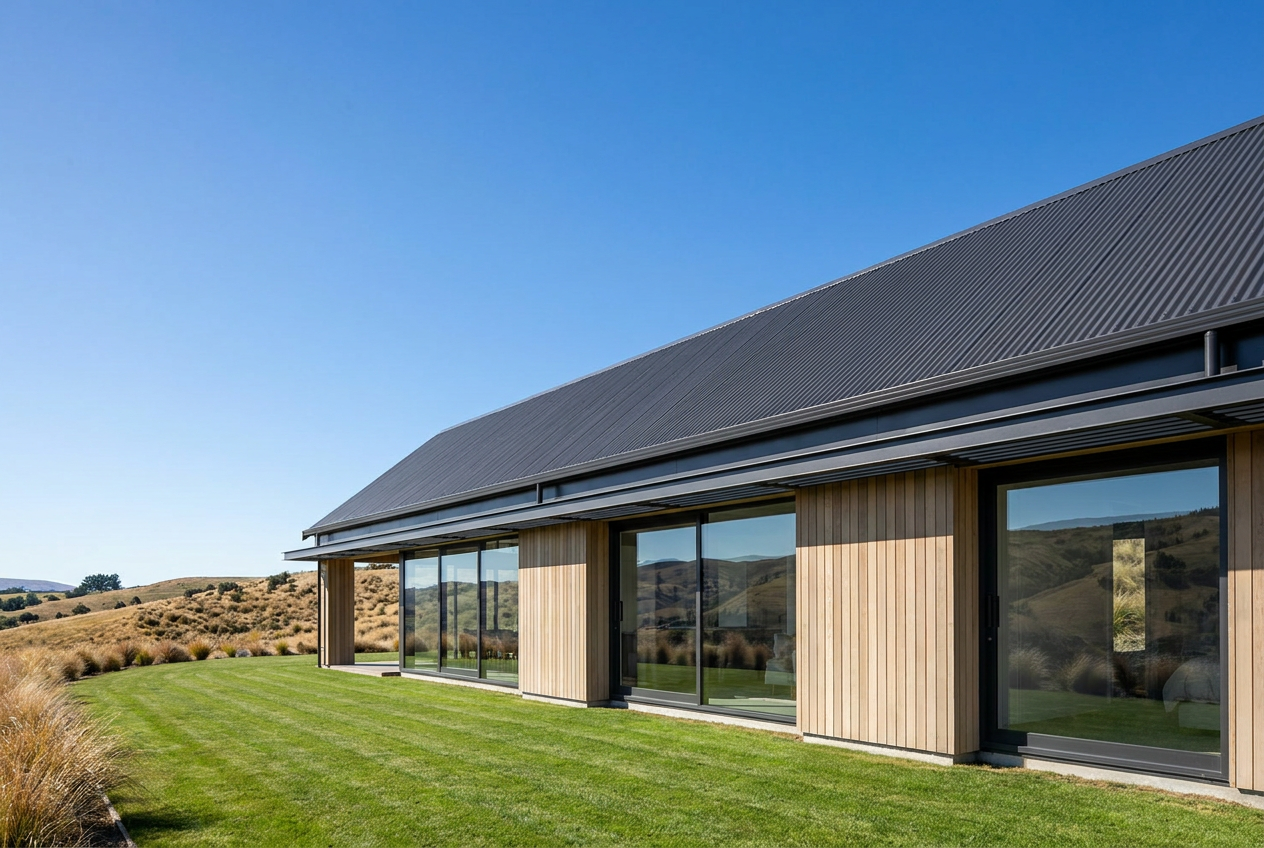
Yes, in most cases a homeowner can safely apply a moss and lichen treatment spray themselves — but there are some important safety, product, and environmental considerations to get right first. New Zealand's damp climate, particularly in regions like the West Coast, Northland, and Wellington, makes moss and lichen growth on roofs extremely common, and treating it promptly helps protect your roofing material and extend its life.
Why Moss and Lichen Are a Problem
Moss and lichen aren't just unsightly — they can cause real damage over time. Moss holds moisture against your roofing surface, which can accelerate corrosion on metal roofs, lift and crack concrete or clay tiles, and degrade asphalt shingles. Lichen is even more stubborn; it physically bonds to surfaces and can etch into materials as it grows. Left untreated, both can shorten your roof's lifespan significantly.
Choosing the Right Treatment Product
Not all moss and lichen sprays are the same, so it pays to read labels carefully before buying. Look for products specifically rated for your roof type — whether that's corrugated steel (like Colorsteel), concrete tiles, clay tiles, or asphalt shingles.
Common active ingredients include:
- Sodium hypochlorite (bleach-based) – fast-acting but can be harsh on some surfaces and surrounding plants
- Benzalkonium chloride – a popular choice in many NZ roof treatment products
- Copper-based treatments – longer-lasting and often recommended for ongoing prevention
You'll find a range of suitable products at Bunnings and Mitre 10. Always check the product's Safety Data Sheet (SDS) before use — these are usually available on the manufacturer's website or in-store.
Safety First: Working at Height
This is the most critical part of any roof job. Working at height is one of the leading causes of serious injury and death in New Zealand, and that applies to homeowners just as much as tradespeople. WorkSafe NZ has clear guidance on managing fall risks.
Before you climb up, ask yourself honestly:
- Is the roof pitch low enough to work on safely (generally under 25°)?
- Do I have a stable ladder, non-slip footwear, and ideally a safety harness?
- Is the roof surface dry and free of slippery algae?
- Can I reach the affected area without leaning or overreaching?
If the answer to any of these is no, seriously consider hiring a professional roofer instead. Many moss treatment products can also be applied from the ground or gutterline using an extended-wand sprayer, which is a much safer option for large or steep roofs.
Environmental and Runoff Considerations
Moss and lichen treatments can be toxic to aquatic life, so you need to think carefully about where the product ends up after it rains.
- Disconnect your downpipes from rainwater tanks before applying any chemical treatment, and leave them disconnected until after significant rainfall has washed the roof clean.
- Avoid applying treatments before forecast rain — you want the product to dwell on the surface, not wash straight off.
- Be mindful of garden beds, lawns, and waterways near your downpipe outlets. Some products require you to divert runoff away from drains.
- Check your local council's rules around chemical use near stormwater systems, as requirements can vary.
How to Apply the Treatment
Step-by-step guide
- Clear debris first – Remove loose moss, leaves, and dirt with a soft brush or low-pressure rinse. Avoid high-pressure washing on most roof types as it can damage surfaces and void warranties.
- Protect surroundings – Cover or wet down garden beds below the roofline. Disconnect rainwater tanks.
- Mix or prepare your product – Follow the manufacturer's dilution instructions exactly.
- Apply evenly – Use a garden sprayer or extended wand. Work from the ridge down, applying a thorough, even coat. Don't over-saturate.
- Leave it to work – Most products need to dwell for weeks or months. The moss and lichen will die off gradually and wash away with rain — don't scrub immediately after application.
- Repeat if needed – Heavy infestations may need a second application after a few months.
| Roof Type | Pressure Washing OK? | Notes |
|---|---|---|
| Corrugated steel | No | Can strip coatings; use soft brush only |
| Concrete tiles | Low pressure only | High pressure can erode surface |
| Clay tiles | No | Fragile; walk boards recommended |
| Asphalt shingles | No | Strips granules; gentle rinse only |
When to Call a Professional
Call a qualified roofer if:
- Your roof pitch is steep or the surface is slippery
- You're not confident working at height
- The moss or lichen infestation is severe and widespread
- You notice cracked, broken, or lifting tiles, or rust and corrosion on metal roofing — treatment alone won't fix underlying damage
- You're unsure which product is safe for your specific roofing material
A professional roofer will have the right safety equipment, commercial-grade products, and the experience to spot any other issues while they're up there. You can find qualified local roofers on tradedirectory.co.nz.